Digital X-Rays & Diagnostics

Digital X-Rays
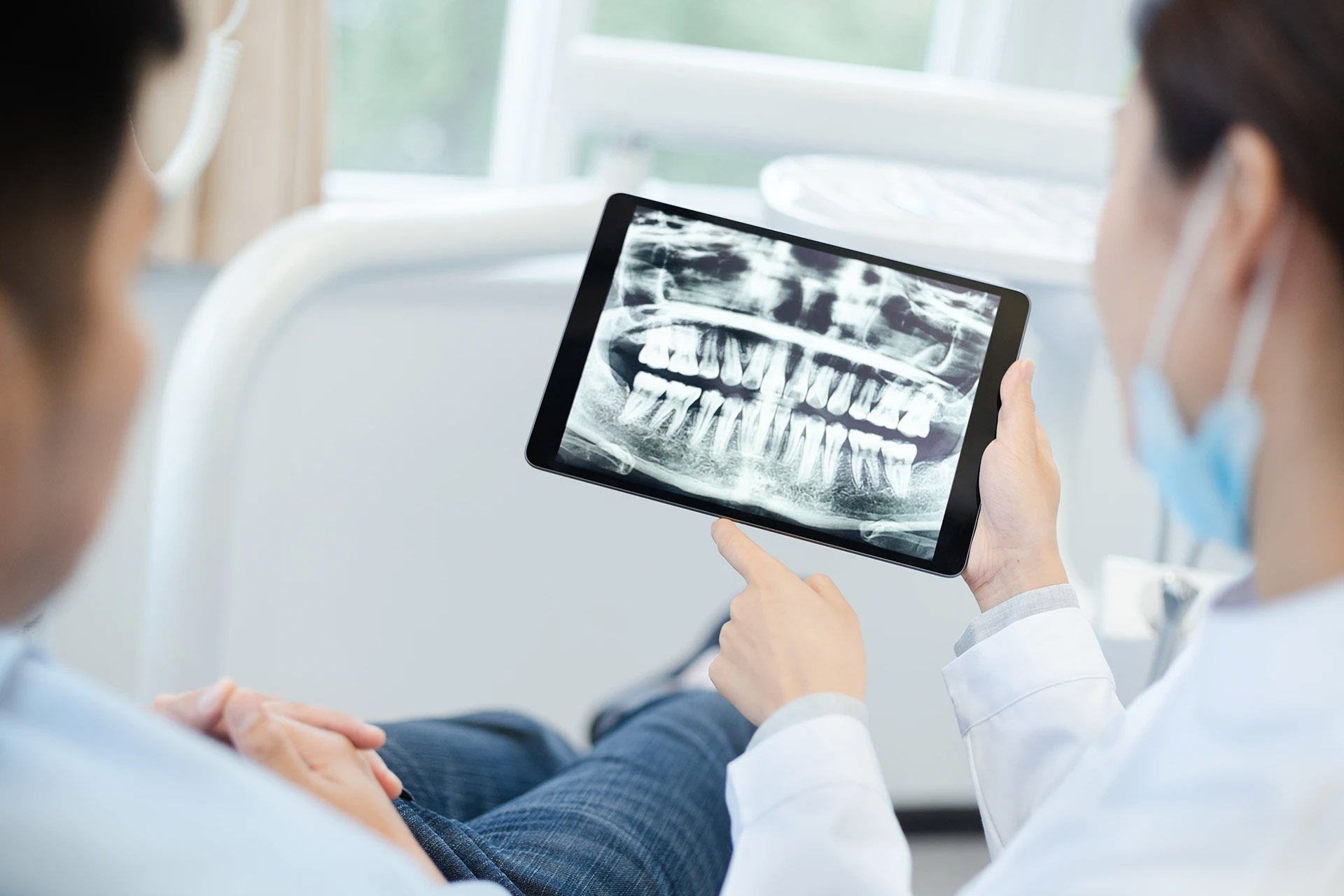
X-rays, also known as radiography, serves as an important tool to dentists that allow them to see the condition of your teeth, roots, jaw, and overall facial bone composition. X-rays can reveal the advanced nature of periodontal disease, as well as tumors and abcesses.
Benefits of Digital X-Rays & Diagnostics
Early Detection for Better Oral Health
Faster, More Comfortable Imaging
Three Basic Kinds of X-Rays
1
Bitewings
The most common kind of dental X-ray, is used to spot cavities and decay.
2
Periapical X-Rays
Shows a broad picture of the entire tooth structure. These pictures are used to spot deep tooth problems, such as impacted teeth, abscesses, and bone loss.
3
Panoramic X-Rays
They are designed to capture an entire mouth and are generally used to detect tumors, cysts, and wisdom teeth, and to assess tooth development in children.

Diagnostics
Gingivitis is due to the long-term effects of plaque deposits. Plaque is a sticky material made of bacteria, mucus, and food debris that develops on the exposed parts of the teeth. It is a major cause of tooth decay. If you do not remove plaque, it turns into a hard deposit called tartar that becomes trapped at the base of the tooth. Plaque and tartar irritate and inflame the gums. Bacteria and the toxins they produce cause the gums to become infected, swollen, and tender.
The goal is to reduce inflammation. The teeth are cleaned thoroughly by the dentist or dental hygienist. This may involve various instruments or devices to loosen and remove deposits from the teeth.
Careful oral hygiene is necessary after professional tooth cleaning. The dentist or hygienist will show you how to brush and floss. Professional tooth cleaning in addition to brushing and flossing may be recommended twice per year or more frequently for severe cases. Antibacterial mouth rinses or other aids may be recommended in addition to frequent, careful, tooth brushing and flossing.
Repair of misaligned teeth or replacement of dental and orthodontic appliances may be recommended. Any other related illnesses or conditions should be treated.
Frequently Asked Questions
Dental imaging uses very low levels of radiation making routine X-Rays safe and effective tools for maintaining your oral health.
Dental X-Ray frequency is dependant on your personal health history and risk factors. If you have a history of gum disease or cavities, you may need more frequent X-Rays than someone without those issues.
Related Services
Exams & Comprehensive Exams
Get checked for tooth decay, gum disease, and early signs of oral cancer.
Preventive Dentistry
Help prevent dental issues with dental exams, cleanings, fluoride treatments, sealants, and more.
Fluoride Treatments
Help prevent cavities by replenishing essential minerals in your tooth enamel.
Ready to Schedule?
Give us a call or click below to schedule an appointment!